
The Wizard Liz · · 4 min read
How Childhood Abuse Can Shape Adult Trust, Loneliness, and Survival Mode
See how adult trust trauma shapes loneliness, caution, and survival mode after early abuse. Learn the pattern and read the full article.
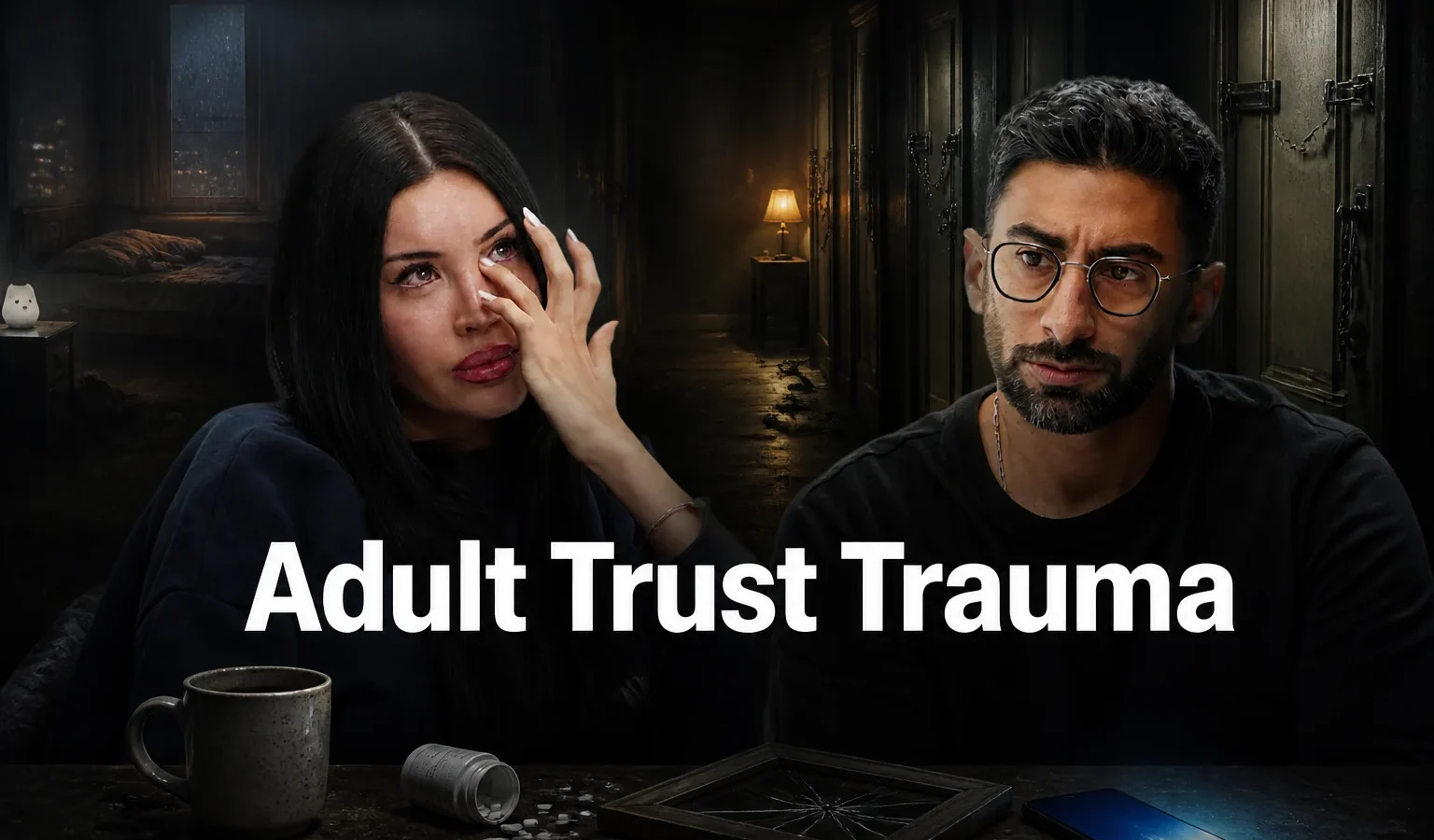
This article draws on our conversation with Liza Jubrailova.
Trust after childhood trauma does not break in one dramatic moment; it wears down slowly, until caution feels safer than closeness. Liza Jubrailova describes adult relationships from inside that logic, where shutting feelings off can seem more reliable than letting people in.
She frames that pattern across 27 years of living in survival rather than ease (4:07). In her account, the habits people see in adulthood were built much earlier, inside a home ruled by control, fear, and isolation.
Why does childhood trauma make trust feel unsafe?
Early control taught her that connection came with danger, so distance started to feel practical rather than cold. Liza Jubrailova says her father was controlling and abusive, and that she and her sister were not allowed to leave the house unless it was for school or work. With ordinary friendships blocked, most of the friendships available to her became online ones instead of face-to-face bonds built through freedom and routine.
That detail matters because it shows how trust formed under restriction. If you grow up watching access to other people get limited, you do not learn that closeness is casual or safe. You learn that relationships are fragile, monitored, and easy to lose.
She also says later betrayals by friends did not challenge that belief; they confirmed it. Instead of giving her evidence that people could be steady, those experiences reinforced isolation and made caution feel earned. Adult loneliness, in her telling, is not a mystery mood. It follows a clear sequence: control at home, limited social freedom, then betrayal in later relationships.
Still, the picture is not total distrust. She says she has kept one school friendship with Nasira, which gives the section of her life around trust a needed distinction: she does not describe trust as impossible, only rare. One lasting friendship stands out precisely because it survived a pattern that made most closeness feel unreliable.
Success, attention, and the loneliness that follows
Success can sharpen old trust wounds because attention brings both admiration and motive-checking. Liza Jubrailova connects that directly to the way people behaved around her as her life changed.
“I really feel like, once you change or once you reach a certain level of success, a lot of people reveal who they really are.”
— Liza Jubrailova (6:39)
Her view links achievement with exposure. More people appear, but not all of them arrive with clean intentions, and that forces a person who already struggles with trust to scan harder for threat, envy, and opportunism.
“The more successful you get, the more lonelier you get.”
— Liza Jubrailova (6:54)
Anas gives that idea a concrete social shape when he says one evil comment can outweigh 49 good comments, and that trust can take two years to build. The contrast is simple and brutal: harm lands fast, while safety takes time. For someone already trained by childhood trauma to watch for danger, one hostile remark can carry more emotional weight than a crowd of approval, and a long trust-building process can feel exhausting before it even begins.
That is how public attention and private history start feeding each other. Praise does not automatically soothe suspicion. Criticism, betrayal, and mixed motives fit an older pattern too easily, so loneliness starts to look less like an accident and more like a shield.
What survival mode looks like in adult relationships
Survival mode, as she describes it, is emotional shutdown used to get through what feels unbearable. Liza Jubrailova says she goes numb when life becomes too much because in survival mode she does not feel, she just keeps going.
She ties that response straight back to childhood. If your early years teach you that feeling everything is dangerous, then turning feelings down becomes efficient. You function. You keep moving. You avoid the full force of fear, grief, anger, or disappointment.
She also says she often finds it easier to run from emotions than confront them. In adult relationships, that can make distance look like self-protection, especially after repeated betrayal. You do not need a dramatic blow-up to leave emotionally; sometimes you simply switch into endurance and stop expecting comfort from other people.
Her language keeps the pattern clear. Hypervigilance, caution, and emotional shutdown are not random personality traits in her story. They are survival adaptations shaped first by childhood trauma and then reinforced by the people who proved those defenses useful.
Listen to the full episode
Listen to the full conversation on Spotify — the episode goes further than any article can, and following the show means you catch the next one.
 Watch this episode on YouTube ·
 Listen on Spotify · Subscribe to #ABtalks
Links from this episode
Mentioned in the episode. Some of these may be affiliate or sponsored links.