
The Wizard Liz · · 5 min read
How The Wizard Liz Built Her Voice Online After an Abusive Childhood
See how Wizard Liz voice online grew from survival, money pressure, and a bigger mission. Learn what she says people still get wrong.
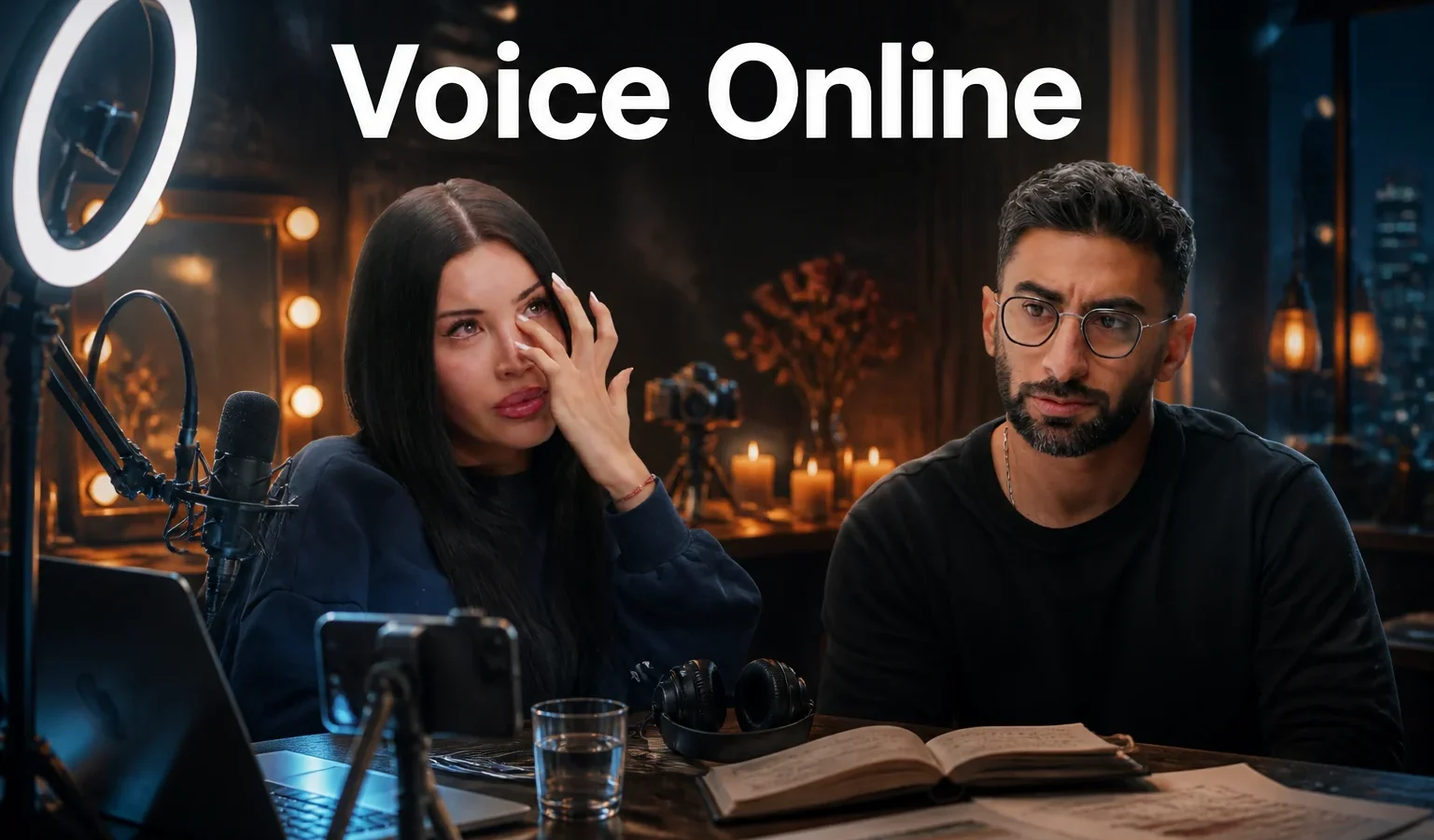
This article draws on our conversation with Liza Jubrailova.
She started posting because freedom arrived late, and The Wizard Liz voice online grew out of that break in her life rather than out of a branding plan. The version she gives is simple: social media began after home changed, money was needed, and saying the quiet part out loud finally felt possible.
Liza Jubrailova says that change came when her father left the family when she was 19 years old, after taking a second wife and moving to another country (1:07:31). She ties the start of her public life to that moment because, in her account, it was the first time the house felt free enough for travel, dating, and eventually posting online.
Why did The Wizard Liz start posting online?
She says she began posting for two reasons at once: to earn money for her mother and to say the things she had never heard anyone say plainly. Jubrailova describes social media as practical from the start, because she wanted to help her mother and pay off her house, but she also says she wanted to help other people, especially women who were not valued in her culture.
That matters because she does not describe her platform as a lucky break or a style choice. She describes it as something that became possible only after control at home eased. In her account, freedom came before visibility. Once her father was gone, she could travel, date, and build a public presence in a way she could not before.
She also gives a personal test for why the message took the shape it did. If someone like The Wizard Liz had existed when she was younger, she says, she would have been that person’s biggest fan, because she had never seen anybody speak so openly about abuse. That explains why her content did not begin as polished aspiration. It began with naming what had happened and speaking to people who had been taught to stay quiet.
Her explanation keeps the mission close to the money. She wanted income, yes, but not as a separate track from the message. The work of helping her mother, paying off the house, and speaking directly to women who felt unseen all sits in the same origin story.
What does Liz say people get wrong about her platform?
She says people misunderstand her platform when they reduce it to dating advice or treat her as a relationship coach for women chasing rich men. Jubrailova rejects that reading directly and says she was never teaching women to date rich men, which is a line she draws because she sees her work as much wider than romance.
Her own description is closer to a wake-up call. She says she feels called to awaken people, to push them to believe in themselves instead of living in fear and handing their power to other people. In that frame, relationships are only one place where self-worth shows up; they are not the whole project.
“People say they want authenticity. They want that, but they don’t.”
— Liza Jubrailova (1:41:28)
She connects that complaint to the way audiences reacted when a cheating scandal hit her life. After building her presence over seven years on social media, she says, and building her empire by herself, she watched some people respond as if one betrayal meant she had failed and should be cancelled (1:40:23). Her argument is that many viewers say they want a real person, but what they actually want is a fixed character who never breaks the image they built for her.
That is also why she pushes back on the idea that her platform promised a perfect private life. Her account is that people projected a role onto her, then punished her when life did not obey the role. She does not present that as proof that honesty fails. She presents it as proof that audiences often confuse honesty with performance.
What was the deeper mission behind the voice she built?
She says the deeper mission was to make people stop shrinking their lives around fear and start trusting their own worth. The Wizard Liz voice online, in her telling, was built to reach people who had been trained to doubt themselves, stay small, or accept harm as normal.
“I don’t believe a child is born evil.”
— Liza Jubrailova (1:05:50)
That line sits inside the same moral frame she brings to abuse, survival, and responsibility. She speaks from the belief that damage is learned, silence is learned, and powerlessness is learned too. So the public message she built is not only about confidence in the shallow sense. It is about refusing the script that says your past decides your value forever.
Jubrailova describes the work as a call to awaken people. She wants women in particular to stop waiting for permission, stop measuring themselves by who chooses them, and stop giving authority over their lives to fear, family pressure, or culture. That is the thread connecting the beginning of her account to the platform people know now: she started speaking after she felt free enough to speak, and she kept speaking because she wanted other people to feel that freedom in themselves.
Listen to the full episode
Listen to the full conversation on Spotify — the episode goes further than any article can, and following the show means you catch the next one.
 Watch this episode on YouTube ·
 Listen on Spotify · Subscribe to #ABtalks
Links from this episode
Mentioned in the episode. Some of these may be affiliate or sponsored links.